PROTECTION AGAINST SIGNAL LEAKAGE & REMOTE EAVESDROPPING
SpyGuard is GlassLock's patented line of window and glazing solutions designed to protect sensitive environments from electronic eavesdropping, wireless signal leakage, and physical threats. Developed and tested at the highest government levels, SpyGuard has been proven to mitigate virtually all forms of electronic surveillance while meeting stringent TEMPEST and wireless security requirements.
Built on GlassLock's proprietary SpyGuard technology, these solutions provide advanced radio frequency (RF) and electromagnetic interference (EMI) attenuation to prevent data leakage through windows and architectural surfaces. Each installation is customized to the specific security needs of the space, addressing wireless vulnerabilities, optical and infrared surveillance, and broader electronic counterintelligence concerns.
RF ATTENUATION & REAL-WORLD RISK
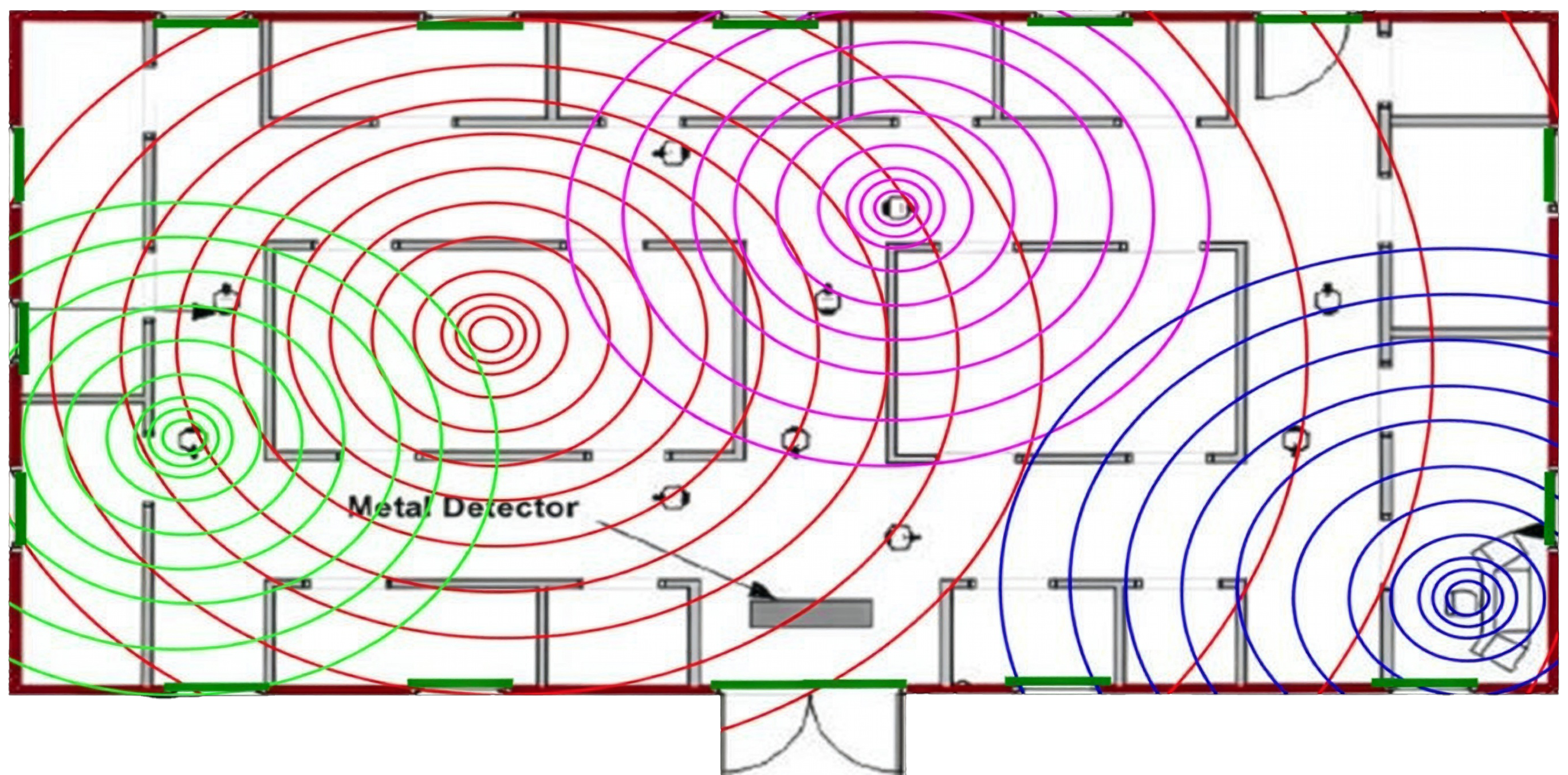
A 2005 Government Accountability Office report on wireless security highlighted the ease with which unauthorized access could be gained to more than 1,000 wireless networks within a 15-block area of Washington, DC using only a common network scanner. The primary cause was signal leakage—wireless network transmissions extending beyond an organization's physical perimeter.
When signals travel outside controlled spaces, unauthorized users can monitor traffic, evaluate security configurations, and potentially eavesdrop on sensitive communications. These risks exist regardless of intent or awareness and can persist even in environments that otherwise follow best practices.
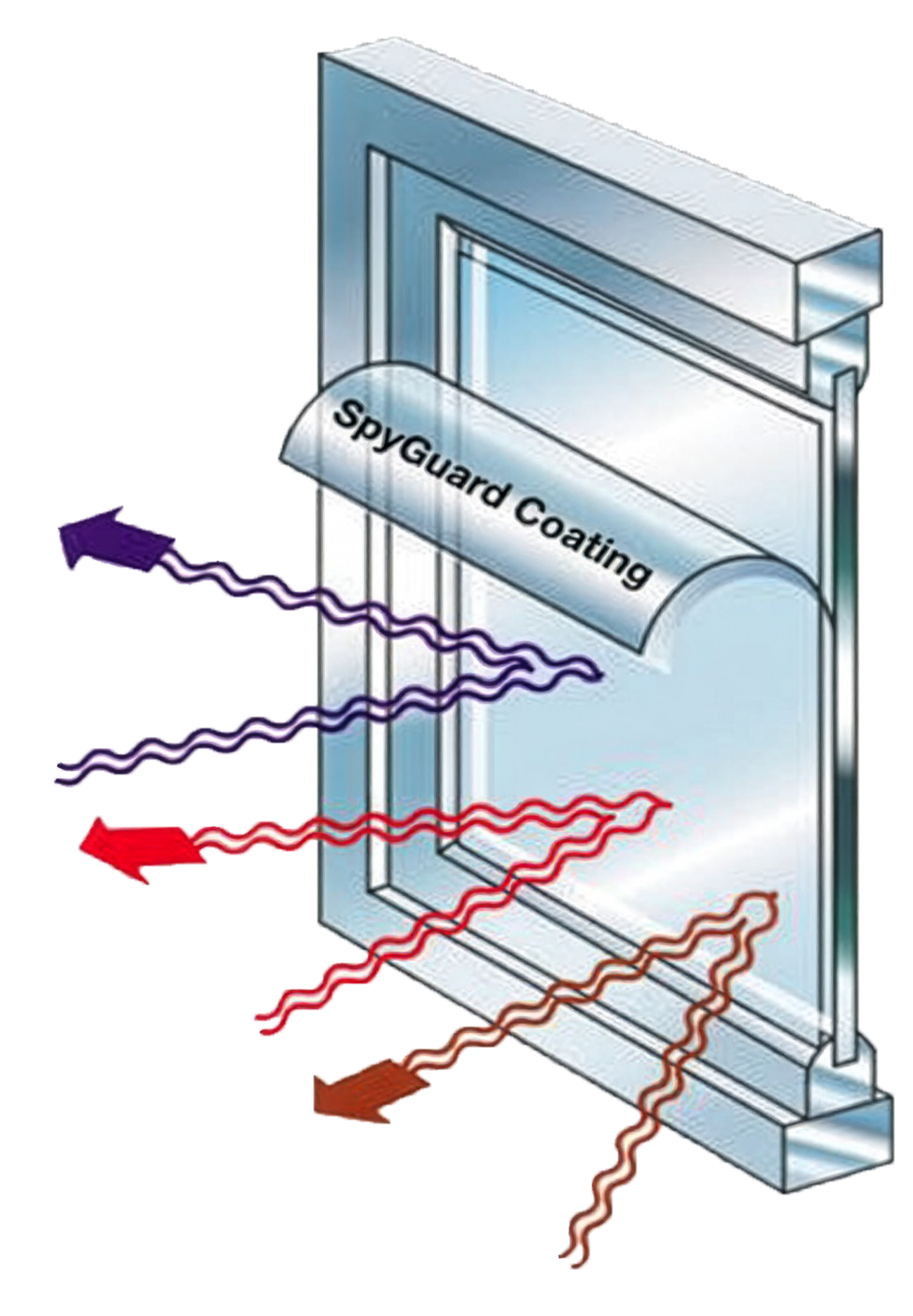
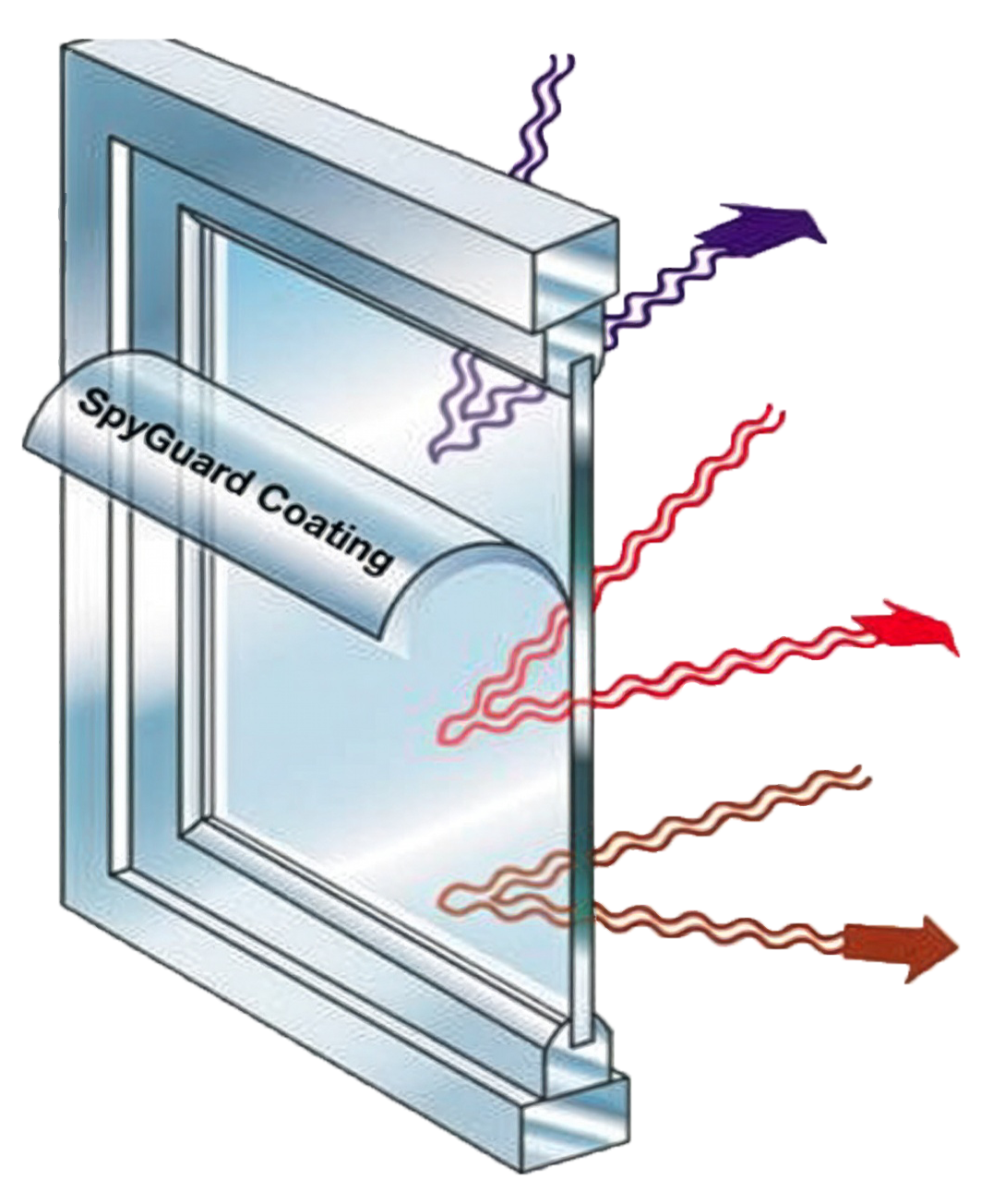
SpyGuard significantly reduces signal leakage by attenuating wireless transmissions at the building envelope, helping ensure that wireless signals remain contained within secure areas.

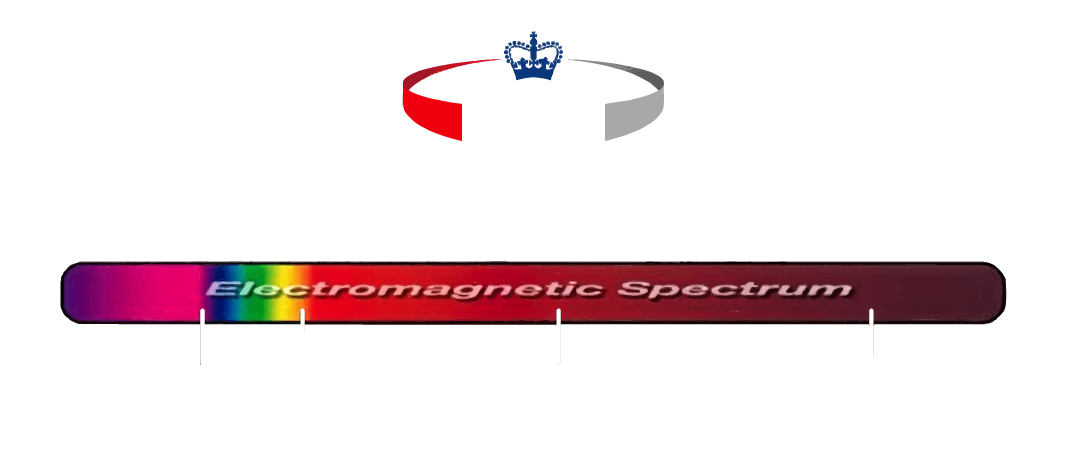
ELECTROMAGNETIC EMISSIONS & THREATS THROUGH GLASS
Many organizations underestimate the risk of remote eavesdropping conducted through windows and transparent architectural surfaces. Some proven surveillance methods are effective at distances of a quarter mile or more.
When applied to glass and architectural surfaces, SpyGuard provides measurable, consistent attenuation across a broad frequency range. Typical performance includes an average attenuation of approximately 39 dB from 300 MHz to 6 GHz, with approximately 44 dB attenuation at 1 GHz.
By making wireless signals effectively inaccessible outside the protected space, SpyGuard helps safeguard against interception while allowing organizations time to address issues related to encryption, authentication, VPN configurations, or firewall rules without immediate exposure.
DOCUMENTED EAVESDROPPING TECHNIQUES INCLUDE:
- Recording meetings and conversations using laser microphones
- Capturing radio frequency emissions and electromagnetic energy leaking from computers, printers, facsimile machines, mobile phones, and other electronic devices
- Intercepting infrared signals from laptops, wireless handheld computing devices, and infrared communication systems
- Capturing and reconstructing optical signals emitted by computer displays to recreate on-screen images
SOURCES OF ELECTROMAGNETIC EMISSIONS
Any electronic device containing microchips, diodes, or transistors emits electromagnetic fields during normal operation. In secure environments, these emissions can be intercepted, processed, and analyzed to reconstruct portions of transmitted or displayed information.
Devices that may act as unintentional transmitters include computer monitors, fax machines, external disk drives, scanners, printers, and other high-bandwidth peripherals. SpyGuard is designed to reduce the ability of external actors to exploit these emissions through windows and glazed surfaces.
ADDITIONAL BENEFITS
In addition to information security, SpyGuard offers meaningful energy-efficiency benefits. The optically clear technology provides approximately 50 to 75 percent total solar energy reduction, contributing to lower cooling loads and long-term energy savings without compromising visibility or aesthetics.
SpyGuard is also available as fragment retention film and laminated glass, allowing organizations to combine electronic security with physical protection in a single installation. These configurations help reduce blast hazards and glass fragmentation, enhancing occupant safety during physical security incidents.
PROVEN DEPLOYMENT IN SECURE ENVIRONMENTS
SpyGuard glass and architectural surface coatings have been approved, deployed, and fielded at the highest levels of government security operations, as well as in private and commercial applications where confidentiality and resilience are critical.
Together, these capabilities make SpyGuard a comprehensive solution for environments where sensitive information must be protected against both electronic and physical threats.
INTERESTED?
Learn how SpyGuard can help protect your facility from signal leakage and remote eavesdropping.
CONTACT